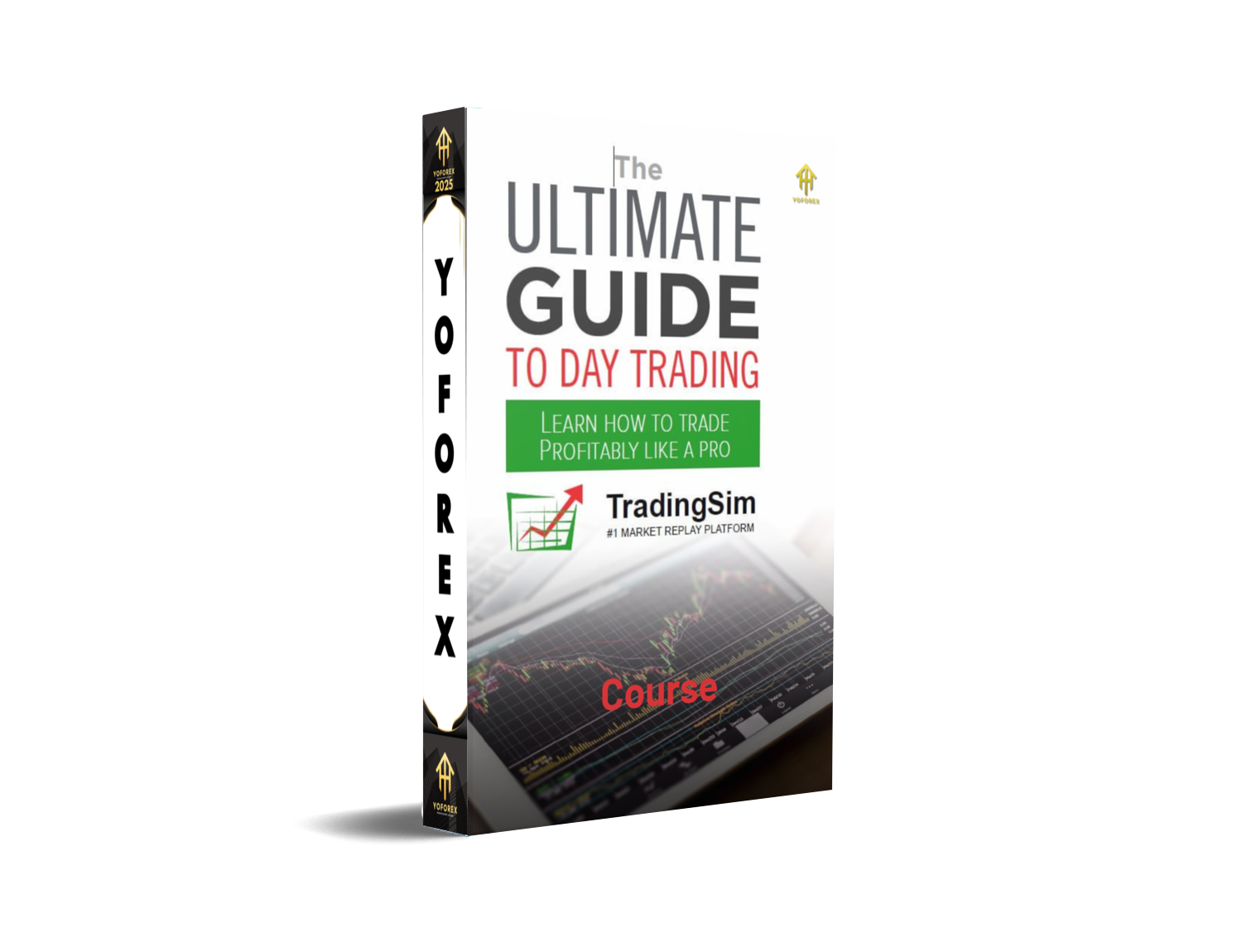
Day trading has become one of the most talked-about trading styles in recent years, especially with the rise of advanced charting tools, lightning-fast order execution, and automated Expert Advisors (EAs). Many new traders jump in hoping to “make money fast,” but real success in day trading comes from skill, discipline, and understanding how markets move. This course-style guide breaks everything down in a simple, beginner-friendly way… almost like you're sitting with a mentor who explains things without complicating them.
If you’ve ever felt confused by technical jargon, or overwhelmed by too many YouTube “strategies,” don’t worry—this guide will walk you through the entire process step by step. And coz a lot of new traders get trapped by hype, we’ll also cover the real risks so you know exactly what you’re getting into.
What Exactly Is Day Trading?
Day trading means buying and selling a financial asset—like Forex, gold, US30, NASDAQ, cryptocurrencies, or stocks—within the same trading day. Traders aim to capture small but frequent intraday price moves. Positions are never held overnight, which reduces swap fees and exposure to unexpected news events.
Unlike long-term investors who wait weeks or months for a trend to play out, day traders want quick momentum opportunities. They depend heavily on technical analysis, price action, volume patterns, and volatility. In simple words: they look for short bursts of movement and jump in at the right moment.
Modern platforms like MT4, MT5, TradingView, and advanced EAs have made day trading more accessible than ever. But the real skill comes from understanding market structure, identifying high-probability trade setups, and managing risk like a pro.
Who Is This Day Trading Guide For?
This course-style guide is made for:
- Beginners who want to understand day trading from zero
- Traders who keep losing because they jump in without a strategy
- Anyone planning to use EAs or semi-automated systems
- Stock, crypto, or forex traders wanting a structured path
- People trying to switch from long-term investing to fast-paced trading
Even if you’ve tried trading before and failed, this guide gives you a clearer, more grounded approach based on real market principles.
Types of Day Traders
Different traders use different methods, and knowing these styles helps you choose your path.
1. Scalpers
Scalpers make dozens of trades per day, catching very small moves—sometimes 1 to 5 pips. They require ultra-low spreads and fast execution. Many scalpers use automated EAs on pairs like XAUUSD, EURUSD, or NASDAQ.
2. Momentum Traders
They wait for strong directional moves driven by volume, news, or breakout levels. Once momentum hits, they jump in and ride it for a short time.
3. Range Traders
These traders look for price bouncing between support and resistance zones. They buy low, sell high, and repeat until range breaks.
4. News Traders
They trade high-impact events like NFP, CPI, FOMC, or earnings reports. This style requires speed, experience, and a strong understanding of volatility.
Each style has pros and cons, and you’ll eventually find what matches your personality best.
Core Day Trading Tools You Must Know
You don’t need hundreds of indicators. Even simple tools—when used correctly—can outperform complicated charts.
1. Candlestick Patterns
Candlestick structure reveals market sentiment. Rejections, engulfings, inside bars, and breakouts are key signals.
2. Support & Resistance
These are the backbone of day trading. Markets respect levels where traders previously reacted.
3. Moving Averages
MA50, MA100, or EMA20 help identify trend direction and potential pullbacks.
4. Volume
Sudden spikes indicate real interest in price movement.
5. Price Action
Reading pure price behavior is often more accurate than indicators.
6. Automated EAs
Modern traders use scalping EAs, trend-following bots, and AI-based algorithms to assist or fully automate day trading.
Popular Day Trading Markets
Different assets behave differently. Here’s how beginners usually categorize them:
Forex Pairs
EURUSD, GBPUSD, USDJPY—liquid and predictable.
Gold (XAUUSD)
Volatile, perfect for scalping and momentum strategies.
Indices
US30, NAS100, GER40—fast-moving, high-volume markets.
Cryptocurrencies
BTC, ETH—24/7 volatility.
Each market requires slightly different risk management, sizing, and strategy approach.
Day Trading Strategies Explained Simply
You don’t need 20 strategies. Start with a strong foundation and build from there.
1. Breakout Strategy
When price breaks a key level with volume, traders enter for a short burst.
2. Pullback Strategy
Wait for price to retrace to a support or moving average before entering.
3. Trend Continuation
Trade only in the trend direction—less noise, less confusion.
4. Reversal Strategy
Identify exhaustion and look for opposite signals. Best when volatility is high.
5. News-Based Trading
Trade the spike or post-news retracement.
Keep in mind: Consistency comes from mastering one strategy before trying another.
Risk Management—The Real Key to Survival
Most beginners lose not because their strategy is bad, but because their risk control is terrible. Here’s the must-follow rule-set:
- Never risk more than 1–2% of your account per trade
- Use stop-loss for every position
- Avoid overtrading
- Keep spreads and commissions in mind
- Trade only during high-volume sessions (London, NY)
- Avoid revenge trading at all costs
Even the best trader fails without discipline.
Psychology of a Day Trader
Many people ignore trading psychology, but it’s 50% of the game. You’ll need:
- Patience to wait for real setups
- Emotional control during losses
- Confidence in your plan
- Discipline to stop when you hit daily loss limits
The market rewards calm, consistent traders—not emotional ones.
Advantages of Day Trading
- No overnight risks
- Frequent opportunities
- Compounding possible
- Works well with EAs and automation
- Can be started with small capital
Risks You Must Understand
- High volatility = fast losses
- Emotional pressure
- Requires continuous improvement
- Overtrading temptation
- Not suitable for people who panic easily
Knowing these risks makes you a smarter, safer trader.
Final Words — Your Day Trading Journey Starts Here
Day trading isn't a get-rich-quick plan. It’s a skill that grows with practice. If you take time to learn patterns, understand risk management, and master one strategy at a time, you’ll slowly start seeing consistent improvement. And tho the journey has ups and downs, the reward of becoming a disciplined, independent trader is worth it.
Comments (0)
No comments yet. Be the first to comment!
Leave a Comment