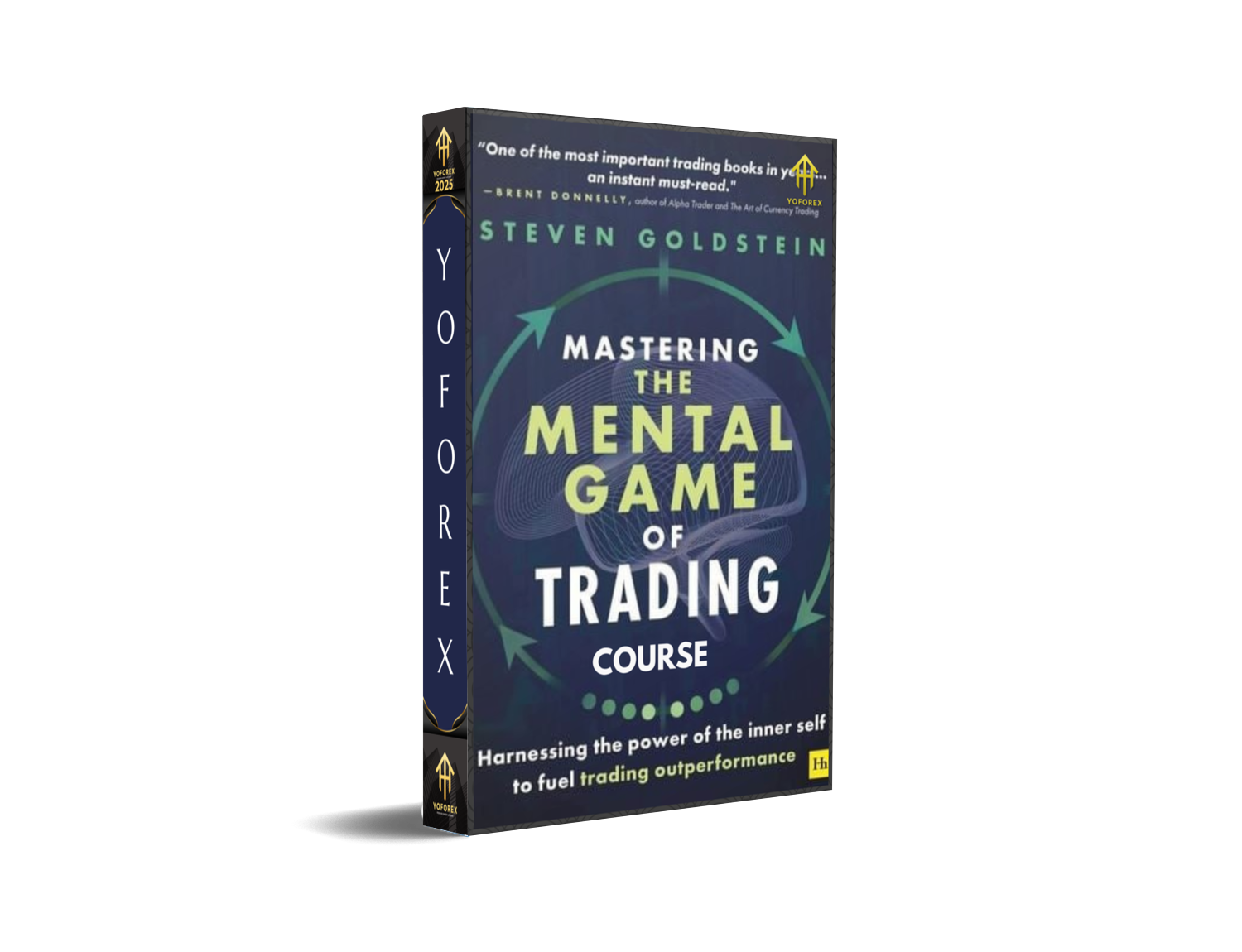
Mastering the Mental Game of Trading: Insights from Steven Goldstein
Trading is as much a psychological game as it is a strategic one. While technical analysis and market trends are crucial to success, they are often overshadowed by a trader’s emotional state. In Mastering the Mental Game of Trading, Steven Goldstein—an expert trading performance coach—explores the powerful role that mindset plays in trading success. The course offers valuable insights into the mental obstacles that traders face, helping them unlock their full potential.
Through personal anecdotes and the real-life experiences of traders, Goldstein highlights how attitudes and misconceptions about trading can hinder progress. This blog post delves into the core lessons from the course, focusing on how traders can develop mental resilience, improve their decision-making, and conquer the psychological barriers that stand in the way of success.
Understanding the Mental Game of Trading
The world of trading can be a tumultuous journey filled with highs and lows. Emotional fluctuations—fear, greed, overconfidence, and self-doubt—can heavily influence a trader's performance. Steven Goldstein's course addresses the psychological aspects of trading, stressing that mastering one's mindset is just as important as mastering trading techniques.
Why Mindset Matters
Goldstein believes that a positive mental attitude, combined with emotional discipline, is the foundation of successful trading. Traders often face moments of uncertainty, where decisions must be made swiftly, and the market's volatility can trigger intense emotional responses. In these moments, a clear and focused mindset can be the difference between a profitable trade and a significant loss.
The Role of Psychology in Trading
At the heart of trading psychology lies the understanding of how emotions affect decision-making. Goldstein's course provides tools to help traders recognize and manage their emotional triggers. Whether it's the fear of losing money, the excitement of a winning streak, or the anxiety of missing out, Goldstein explains how emotions can cloud judgment and lead to impulsive actions.
Goldstein’s Approach to Mastering the Mental Game
Goldstein outlines several key principles in his course to help traders optimize their mental game:
1. Embrace the Power of Patience
Patience is a critical component of trading psychology. In a world where quick decisions often feel necessary, taking the time to wait for the right opportunities is crucial. Goldstein emphasizes the importance of developing patience in trading. By avoiding impulsive decisions, traders can minimize the risks of emotional mistakes, such as chasing trades or overtrading.
2. Build Emotional Resilience
Trading is filled with ups and downs. Losing trades can lead to feelings of frustration and self-doubt. Goldstein teaches traders how to build emotional resilience so that they can handle both winning and losing trades with a balanced perspective. Resilience doesn't mean avoiding negative emotions—it means learning to control them and use setbacks as stepping stones toward improvement.
3. Create a Consistent Routine
Goldstein encourages traders to develop a consistent routine that includes preparation, reflection, and review. By sticking to a daily routine, traders can reduce anxiety, manage their emotions, and stay focused. A structured routine allows traders to approach each day with confidence, knowing they are following a disciplined approach.
The Impact of Trading Psychology on Performance
Goldstein’s course dives deeper into the psychological pitfalls that many traders encounter, such as overconfidence, self-sabotage, and the fear of missing out (FOMO). These psychological barriers can dramatically affect performance, and without awareness and action, they can lead to disastrous results.
Overcoming Overconfidence
After a few successful trades, traders may experience overconfidence, which often leads to risky behavior and larger-than-usual trades. Goldstein highlights how overconfidence can cloud judgment and lead to poor decision-making. He teaches traders how to remain humble and disciplined, regardless of past successes.
Fighting Self-Sabotage
Self-sabotage is a common issue in trading. Whether it's due to fear of failure, lack of self-belief, or perfectionism, self-sabotage can manifest in various forms. Goldstein helps traders identify self-sabotaging patterns and teaches strategies to overcome them. By addressing these internal conflicts, traders can boost their confidence and take consistent, well-thought-out actions.
Managing Fear and FOMO
Fear and FOMO (fear of missing out) are major drivers of emotional decisions. Traders often jump into trades due to fear of missing an opportunity, or they hold on to losing positions due to fear of realizing a loss. Goldstein provides techniques for managing these emotions, teaching traders how to make decisions based on strategy rather than fear.
Personal Anecdotes and Real-Life Trader Stories
Throughout the course, Goldstein incorporates personal anecdotes and stories from real traders to illustrate the lessons he shares. These stories highlight common struggles, such as dealing with losses, managing emotions, and maintaining discipline. By relating to the experiences of others, traders can see that they are not alone in their challenges. These stories offer practical insights and serve as a source of inspiration.
Key Takeaways from Mastering the Mental Game of Trading
- Self-awareness is the foundation of trading success. Understanding how emotions impact trading decisions is crucial to achieving long-term success.
- Patience and discipline are key. The ability to wait for high-probability setups and avoid impulsive decisions will reduce emotional stress and enhance performance.
- Mental resilience is necessary for handling both wins and losses. A balanced emotional state allows traders to learn from mistakes and stay focused on their long-term goals.
- A structured routine helps maintain focus and confidence. Consistent habits and regular reflection on trades can reduce anxiety and improve performance.
- Overcoming psychological barriers is essential for success. By addressing emotions like fear, overconfidence, and FOMO, traders can create a mindset that supports strategic decision-making.
Conclusion
Steven Goldstein’s Mastering the Mental Game of Trading is a comprehensive course that offers invaluable lessons on the psychological aspects of trading. Through a combination of theory, real-life stories, and actionable strategies, Goldstein provides traders with the tools they need to improve their mental game and overcome the emotional pitfalls that often lead to failure.
Whether you're a seasoned trader or a beginner, mastering your mindset is essential for achieving long-term success in the markets. By following the principles outlined in Goldstein’s course, traders can cultivate a disciplined, resilient, and patient mindset—three key ingredients for trading success.


Comments (0)
No comments yet. Be the first to comment!
Leave a Comment